
WPC rules Meier has not ‘served sufficient time’
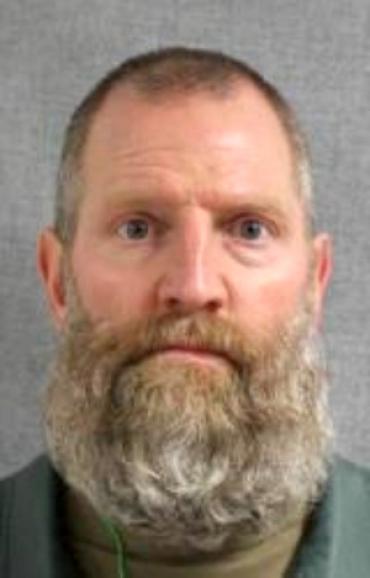
ANTHONY MEIER
In the document explaining why former Arcadia man Anthony Meier was not granted parole after serving 28 years for murdering his estranged wife Jill (Wozney) Meier, the Wisconsin Parole Commission deemed Meier had not served sufficient time for punishment and that his release would “involve an unreasonable risk to the public.”
While the Parole Commission Action summary noted that Meier had “developed an adequate” plan for his release, had satisfactory conduct and program participation, it said that parole would be delayed because of the risk to the public and that he had not served sufficient time for the crime he committed.
“Based on the nature and severity of your case involving the senseless loss of life, more time is warranted,” the summary — signed by WPC Chair John Tate and commissioner Jennifer Kramer, said. “Continued demonstration of positive adjustment, successful transitions through reduced security, and having an eventual approved release plan will assist in reducing your risk to a more reasonable level.”
While Meier will still be in custody, the nature of that custody could change. The WPC’s decision came with “an endorsement for a reduction in custody and support for an early reclassification review.” Meier is currently in a medium-security prison, the Stanley Correctional Institution, where he has been since 2003 after spending 10 years in a maximum-security prison. He could now be transferred to a minimum-security correctional center.
The summary was released to the Times last week after a Freedom of Information Act request was sent on March 12. While the summary was dated Feb. 17 and signed March 10, the request was sent the same day the Department of Corrections website updated Meier’s parole eligibility date from April 1, 2021 to April 1, 2022.
The document summarized the crime, saying Meier stabbed his soon-to-be ex-wife 23 times, using two kitchen knives, and also choked her. Court records had indicated he stabbed her 18 times. The two had been separated after less than a year of marriage and Anthony had been residing across the street at his grandmother’s residence.
After stabbing Jill, Anthony stabbed himself in what he later said was a suicide attempt. He first claimed the knife wounds in his abdomen were from Jill and that he acted in self defense.
Witnessing the murder was the couple’s 18-month-old son, Cody. Anthony heard Cody crying after he stabbed himself and then took the child to his grandmother’s house. His grandmother called Anthony’s parents, who called the authorities. Anthony’s father then took him to the hospital, due to the knife wounds.
“You discussed your offense and take responsibility for your actions,” the action summary said. “You stated that you were still madly in love with your wife and thought that you and your wife were trying to work things out.”
A fight began when Jill had exposed what Anthony believed to be “hickeys” on her neck. Anthony said that “caused him to go into a rage.”
After admitting guilt, Anthony signed off his parental rights, releasing Cody to the victim’s brother and wife. Cody committed suicide in 2014. “You recognize the impact that this offense has had on others,” the summary said.
The summary also noted that Meier had contact with the victim’s family.
“You stated that early in your incarceration you went through a Restorative Justice program where you had dialogue with the victim’s mother,” the summary stated. “You stated that this was difficult for you, but that you wanted to go through the process at her request and that the victim’s mother had treated you like a son.”
It was also said that the WPC had received several letters from the victim’s family in opposition of his release. There were also letters in support from Anthony’s family and friends. “All of this material was reviewed and taken into consideration.”
According to the summary, Meier has completed several programs, including the PAWS program, which he has been a part of for five years and has trained 11 dogs. “You stated that participating in the Reach Out program and the PAWS program has given you an opportunity to give back to the community by helping others and giving you a sense of purpose.”
The action included a plan for Meier’s release, as he intends to either live with his brother in Onalaska or his cousin in Arcadia. That plan, however, still did not have the approval of his parole agent.
In what he said was the most difficult sentencing he had faced, then-Trempealeau County Circuit Court Judge Richard Galstad sentenced Meier to life imprisonment plus an additional five years. He was first eligible for parole on April 1, 2018, at which time the WPC deferred his parole eligibility for 36 months.
